Snake River Chinook salmon: the spring, summer and fall runs explained
The largest of the Pacific salmon, Chinook return to the Snake River basin in three distinct runs. They feed tribal and sport fisheries, and endangered orcas.
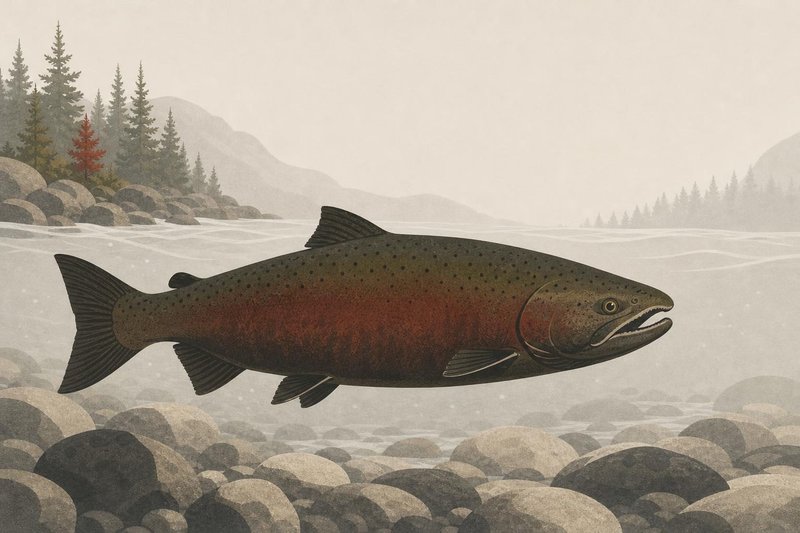
Chinook salmon (Oncorhynchus tshawytscha) are the largest Pacific salmon, often called king salmon. In the Snake River basin they return in three runs, named for when they enter fresh water: spring, summer and fall. All Snake River Chinook were listed as Threatened and endangered Protection levels under the Endangered Species Act. Glossary under the Endangered Species Act in 1992, and they remain at the center of the debate over the four lower Snake River dams.
Spring and summer Chinook
Spring and summer Chinook travel the farthest. Adults pass the lower Snake River dams from April through August and spread out into mountain tributaries of the Salmon, Clearwater, Grande Ronde and Imnaha rivers, where they spawn in late summer. Their young spend about a year in fresh water as Parr A young salmon growing in its home stream, marked with dark bars. Glossary, then migrate to the sea the following spring as yearling Smolt A young salmon turning silver and ready to migrate to the sea. Glossary. After two to three years in the ocean they return, often to the same stretch of stream where they hatched.
These are the fish most often cited in the dam debate. Their SAR (smolt-to-adult return) The share of young fish leaving the river that come back as adults. Glossary rate has stayed below the regional 2 percent goal in most years, and the number of wild fish returning remains a small fraction of historic runs.
Fall Chinook
Fall Chinook spawn lower in the system, in the main Snake River below Hells Canyon Dam and in the lower reaches of the Clearwater and other large tributaries. Adults pass Lower Granite from August into November. Their young migrate to sea in their first summer, months after hatching, which exposes them to the warm, slow reservoirs at the worst time of year. Fall Chinook fell to a few hundred wild spawners in the early 1990s and have since recovered substantially with help from hatchery supplementation.
Source: Columbia River DART, adult passage counts at Lower Granite Dam, 2025. Adult Chinook include spring, summer and fall runs.
What limits Snake River Chinook today
Much of the spawning habitat for spring and summer Chinook lies in roadless and wilderness country, including the Middle Fork Salmon River in the Frank Church–River of No Return Wilderness. Biologists generally agree that this upstream habitat could support far more fish than now return. The disagreement is over where the losses happen.
Juvenile Chinook must pass the eight federal dams on their way to the sea. Agencies try to improve their survival with Spill Water released over a dam's spillway instead of through its turbines. Glossary, Juvenile bypass A system that steers young fish away from turbines. Glossary and Fish transportation Collecting young fish at a dam and carrying them downriver by barge or truck. Glossary part of each year's migrants past the dams. Supporters of breaching argue that the delay and stress of the reservoir passage show up later as low adult returns. Others point to ocean conditions, warm summer water, and predation by sea lions, birds and northern pikeminnow, and note that Chinook runs without Snake River dams in their path have also declined. The competing evidence is set out in the dam removal FAQ.
Why Chinook matter beyond the river
Chinook have been central to the cultures and diets of Columbia Basin tribes for thousands of years, and First Salmon ceremonies still mark the start of the spring run. They also support sport and commercial fisheries from Idaho to the Pacific coast, and they are the main food of the endangered Southern Resident killer whales.
Counts at Lower Granite Dam show how much the runs have varied: only 2,864 adult Chinook passed in 1995, the lowest on record, against 194,608 in 2001. Most returning adults in recent years are Hatchery and wild fish Fish raised in a hatchery versus fish born in a stream. Glossary. The latest season is on the fish counts page.
Questions about Snake River Chinook
What is the difference between spring, summer and fall Chinook?
The names describe when adults return to fresh water. Spring and summer Chinook enter the Columbia in spring and early summer and spawn high in the Salmon, Clearwater, Grande Ronde and Imnaha basins. Fall Chinook return in late summer and fall and spawn in the main Snake River and the lower parts of large tributaries.
Why are Chinook called king salmon?
Chinook are the largest Pacific salmon. Adults commonly weigh 10 to 30 pounds, and exceptional fish are much larger, which earned them the name king salmon in Alaska and elsewhere.
Why do orcas depend on Chinook?
The Southern Resident killer whales of Puget Sound feed mainly on Chinook, which are large and rich in fat. Columbia basin Chinook, including Snake River fish, are part of their diet when the whales forage along the coast.
Are Snake River Chinook protected?
Yes. Snake River spring/summer Chinook and Snake River fall Chinook were both listed as threatened under the Endangered Species Act in 1992. Fisheries are limited to hatchery fish in most areas and seasons.